Wine Culture
Aug 22, 2026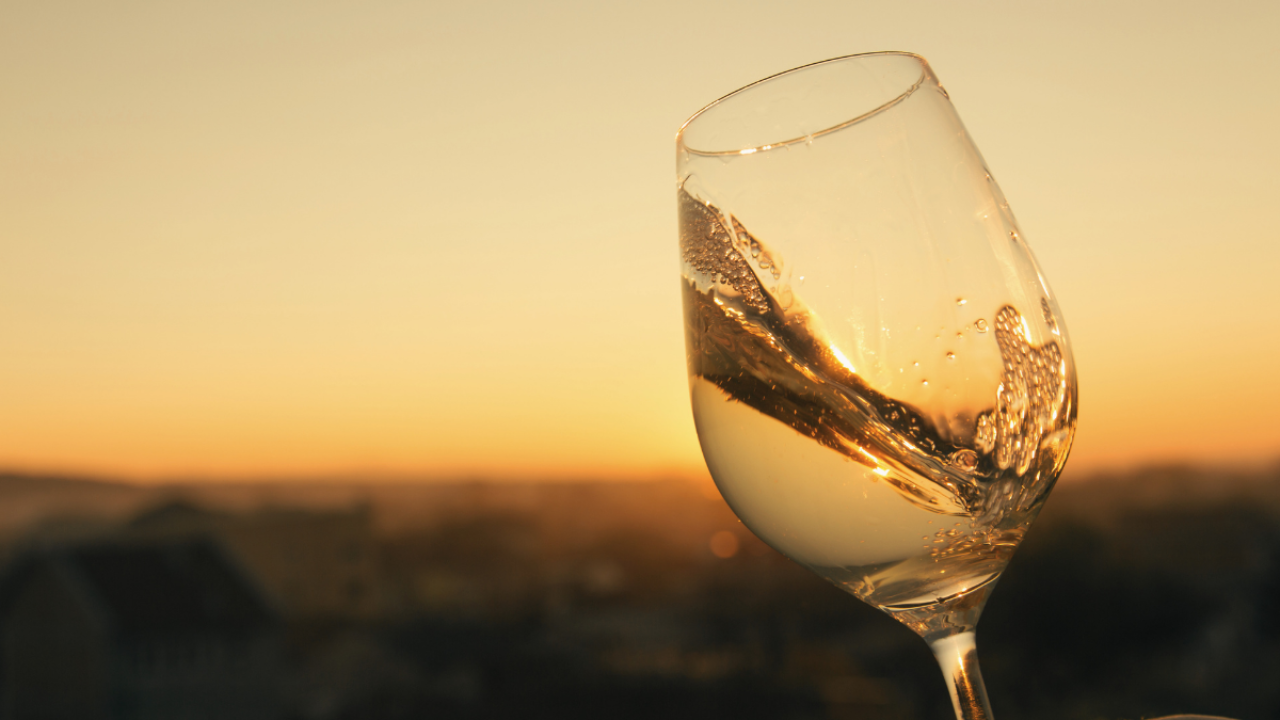
I know what Chardonnay I like.
I've drunk enough of it over the years to know the regions I prefer, the style I'm looking for and the minerality I enjoy. I can pick up a bottle, read the label and have a pretty good idea whether I'm going to like what's inside. I even know what sort of glass I prefer to drink it from.
There is pleasure in knowing about wine.
And that's part of the problem.
Wine isn't just alcohol anymore.
It's food. Travel. Celebration. Friendship. Knowledge. Taste. Status. Reward.
It's become part of how we live.
We got really good at wine
Wine culture in Australia has changed enormously over the past few decades.
We've gone from drinking some pretty ordinary wine to having a sophisticated wine industry. And somewhere along the way, many of us got a lot more knowledgeable about what we were drinking.
We've learned about regions and varieties. We visit cellar doors. We plan weekends around wine regions. We know what pairs with what.
There is something lovely about opening a beautiful bottle with friends. Sitting down to a long lunch. Ordering the wine that perfectly complements the food.
I've done all of those things.
I've enjoyed them.
But somewhere along the way, wine became attached to a huge number of the things we associate with living well.
We put wine everywhere
Girls' weekend away? Wine.
Long lunch? Wine.
Friday afternoon? Wine.
Dinner with friends? Bring a bottle.
Celebration? Champagne.
Holiday? Definitely wine.
Then there are the things surrounding it.
Wine fridges. Beautiful glassware. Cellars. A weekend touring a wine region.
You can buy insulated wine glasses for camping and champagne flutes designed to keep your bubbles cold outdoors.
We've even put drinking slogans on T-shirts.
"Rosé all day"
Alcohol isn't just present in our culture.
We've made it part of the aesthetic.
And when something becomes this normal, it becomes weirdly difficult to question.
Common and harmless aren't the same thing
This is where I think we need to push a little harder.
When almost everyone around you is doing something, it's very easy to use the behaviour of the group to justify your own.
Everyone else is doing it, so it must be fine.
But something being common doesn't necessarily mean it's okay, or good for us.
And there's another aspect of wine culture that makes this particularly insidious.
We've made it sophisticated.
Knowing wine can signal taste. Knowledge. Travel. Food. Even affluence. Success.
You're not just drinking Chardonnay.
You know which Chardonnay you like.
You know the region.
You know the winemaker.
You know the glass it should be drunk from.
There's nothing inherently wrong with knowing any of this.
But the more culture we build around alcohol, the easier it becomes to overlook one fairly basic fact.
It's still alcohol.
Then it becomes part of who you are
This is the part I don't think we talk about enough.
Over the years, wine can become part of your identity.
You're the person who knows the good restaurants.
The friend who brings the beautiful bottle.
The couple who loves visiting wine regions.
The person with the cellar.
The one who knows exactly what to order.
None of this happens overnight.
You invest in it. Time. Money. Energy. Focus.
You develop your palate. You accumulate knowledge. You collect bottles. You build rituals. You have holidays and friendships and memories connected to it.
Eventually, questioning your drinking can mean questioning much more than what's in your glass.
Who am I if I'm not this person anymore?
That's a much harder question than:
Should I drink less?
Giving something up is only half the equation
I've been thinking about this a lot as my own relationship with alcohol has changed.
Years ago, my husband and I came across a couple in their 80s while we were hiking.
They were still out there together, walking the trail.
I remember looking at them and thinking:
That's what I want.
I want to be strong and active when I'm 80.
I want to hike. Ride. Travel. Get outside. Be active and have adventures.
I've never forgotten that couple. They gave me a picture of what I want my later years to look like.
And that matters.
Because changing a habit becomes very difficult if all you can see is what you're losing.
The wine.
The long lunches.
The Friday drinks.
The version of yourself who knew the wine list.
There needs to be another side to the equation.
What are you making room for?
Maybe the question isn't just whether you should drink less
I'm not interested in telling anyone whether they should or shouldn't drink.
That's your decision.
But I do think alcohol deserves the same scrutiny we'd give anything else that occupies a lot of space in our lives and has the potential to impact them.
Wine culture can make that scrutiny difficult because there's so much wrapped around the drinking itself.
So perhaps it's worth mentally stripping some of that away for a moment.
The long lunch.
The wine glass.
The knowledge.
The ritual.
The identity.
Then ask yourself:
What role is alcohol actually playing in my life?
Is that the role I want it to have?
What am I afraid I might lose if I changed it?
And perhaps most importantly:
Who am I trying to become instead?
You don't need to know exactly what that person looks like yet.
But it helps to have somewhere you want to go.
For me, I'm on my way to still being a hiker in my 80s.
Further reading: Australian Guidelines to Reduce Health Risks from Drinking Alcohol, National Health and Medical Research Council.
Thinking about your own relationship with alcohol?
Back to You is a six-week email journey designed to help you drink less, understand your habits and reconnect with what you actually want.
No rules. No labels. Just practical ideas, reflection and support to help you make more deliberate choices about drinking.
Join me each month.
Better habits. Better decisions. Better conversations.
Join my monthly newsletter for thoughtful observations, practical ideas and honest reflections to help you live more intentionally.
No noise. No algorithms. Just something worth reading. We respect your privacy. Unsubscribe at any time.